

Bathroom remodel Chesapeake homeowners plan successfully starts with smart budgeting, layout planning, durable materials, and choosing the right remodeling contractor. A well-planned bathroom renovation can improve comfort, storage, functionality, and long-term home value.
Planning a bathroom remodel in Chesapeake does not have to feel overwhelming. The key is to make decisions in the right order. Before choosing tile, fixtures, vanities, or paint colors, homeowners should first understand the bathroom’s current problems, set a realistic budget, decide the project scope, confirm permit needs, and choose the right remodeling team.
A stress-free bathroom remodel starts with a clear plan. When the layout, materials, plumbing, electrical work, storage, lighting, ventilation, and timeline are planned early, the project becomes easier to manage and less likely to run into costly surprises.
For Chesapeake homeowners, this is especially important because bathroom remodeling may involve plumbing, electrical, and inspection requirements. The City of Chesapeake lists bathroom additions and certain plumbing work among projects that require plumbing permits and inspections, and electrical permits may also be required for qualifying electrical work.
Start With the Main Reason for the Remodel
Before starting a bathroom remodel, identify why the bathroom needs work. A remodel should solve real problems, not only change the appearance.
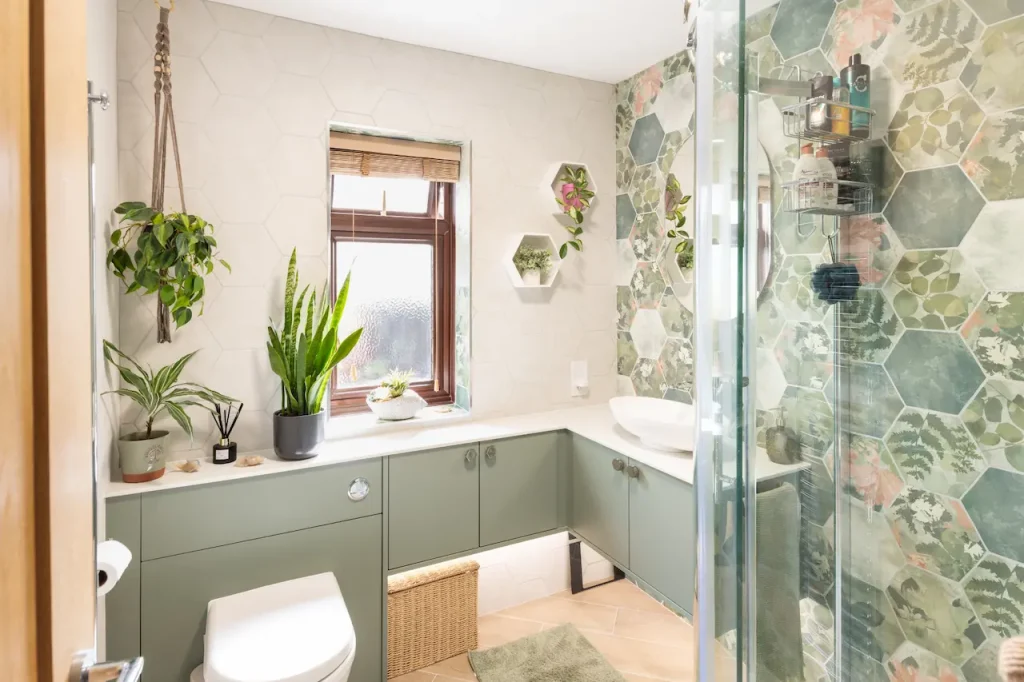
Common reasons Chesapeake homeowners remodel bathrooms include:
- Outdated fixtures
- Poor storage
- Damaged tile
- Old vanity
- Small shower
- Weak lighting
- Poor ventilation
- Leaking plumbing
- Hard-to-clean surfaces
- A layout that feels cramped
- A bathroom that no longer fits the family’s needs
A bathroom used by children may need durability and easy cleaning. A guest bathroom may need a clean, updated look. A primary bathroom may need comfort, storage, better lighting, and a larger shower.
Once the purpose is clear, every design decision becomes easier.
Decide the Level of Remodel You Need
Not every bathroom remodel has the same scope. Some projects are simple updates, while others involve full demolition and layout changes.
A light bathroom update may include a new vanity, mirror, faucet, lighting, paint, hardware, and accessories. This is best when the bathroom layout works and the plumbing is in good shape.
A mid range bathroom remodel may include new tile, new flooring, a new tub or shower, updated fixtures, a new vanity, improved lighting, and better storage.
A full bathroom remodel may include changing the layout, moving plumbing, replacing the shower or tub, upgrading electrical, improving ventilation, waterproofing, and rebuilding major parts of the space.
The more plumbing, electrical, structural, or layout changes involved, the more planning the project needs.
Set a Realistic Bathroom Remodel Budget
Bathroom remodel costs vary widely based on size, materials, labor, plumbing, tile, shower type, and project complexity. Recent 2026 bathroom remodeling cost guidance shows many bathroom remodels can range from around $6,600 to $18,000, while larger or high-end remodels can cost significantly more.
Another 2026 bathroom remodeling cost guide estimates complete guest bathroom remodels from $8,000 to $35,000, depending on finish level and scope.
For planning purposes, Chesapeake homeowners can think in these general ranges:
| Remodel Type | Estimated Planning Range | Best For |
| Basic Bathroom Refresh | $5,000 to $10,000 | Paint, vanity, faucet, mirror, light fixtures |
| Mid Range Bathroom Remodel | $10,000 to $25,000 | Flooring, vanity, tile, tub or shower updates |
| Full Bathroom Remodel | $25,000 to $45,000+ | Layout changes, shower rebuild, plumbing, electrical |
| Luxury Bathroom Remodel | $45,000+ | Custom shower, premium tile, high-end fixtures, spa features |
These are general planning ranges, not fixed quotes. The final cost depends on your bathroom size, chosen materials, labor needs, and whether plumbing or electrical systems must be moved.
Add a Contingency Budget
Bathrooms often hide problems behind walls and under floors. Water damage, old plumbing, weak subflooring, poor ventilation, mold, or outdated wiring may not be visible until demolition begins.
That is why it is smart to set aside a contingency amount. A 10% to 20% buffer can help reduce stress if unexpected issues appear.
This does not mean the project will definitely go over budget. It means you are prepared if something needs to be fixed correctly.
Keep the Layout If You Want to Save Money
One of the easiest ways to control bathroom remodel cost is to keep the toilet, shower, bathtub, and vanity in the same general locations.
Moving plumbing usually adds cost because it may require floor work, wall work, permits, inspections, and additional labor. If the current layout works, improving the materials and fixtures may be enough.
However, if the bathroom feels cramped, unsafe, or poorly arranged, changing the layout may be worth it. A better layout can improve comfort, storage, cleaning, and long-term usability.
Plan the Shower or Bathtub First
The shower or bathtub is often the largest feature in the bathroom. It affects the layout, plumbing, tile, glass, waterproofing, storage, and budget.
Before choosing finishes, decide whether you want:
- Tub and shower combination
- Walk-in shower
- Larger shower
- Freestanding bathtub
- Shower bench
- Shower niche
- Frameless glass door
- Curbless shower
- Handheld shower fixture
- Multiple shower heads
A walk-in shower can make the bathroom feel more modern and easier to use. A tub may still be important for families with young children or for resale in some homes.
The right choice depends on who uses the bathroom and how the space needs to function.
Choose Durable Bathroom Materials
Bathrooms deal with moisture every day. That means materials should be selected for durability, water resistance, and easy cleaning.
Good bathroom material choices may include:
- Porcelain or ceramic tile
- Quartz vanity tops
- Moisture-resistant cabinetry
- Quality grout and sealants
- Waterproof shower systems
- Ventilation-rated light fixtures
- Durable plumbing fixtures
- Slip-resistant flooring
Do not choose materials only because they look good in photos. A bathroom should be built to handle steam, water, cleaning products, and daily use.
Do Not Ignore Waterproofing
Waterproofing is one of the most important parts of a bathroom remodel. Beautiful tile does not protect the bathroom by itself. The waterproofing system behind the tile is what helps prevent leaks and water damage.
Important waterproofing areas include:
- Shower walls
- Shower floors
- Tub surrounds
- Niches
- Corners
- Benches
- Curbs
- Bathroom flooring near wet zones
Poor waterproofing can lead to expensive repairs later. This is one area where shortcuts should be avoided.
Improve Bathroom Ventilation
Ventilation is critical in a bathroom because moisture builds up quickly during showers and baths. Poor ventilation can lead to peeling paint, musty smells, mildew, mold, and damage to finishes.
A bathroom remodel is a good time to improve the exhaust fan, add proper venting, or upgrade lighting and ventilation together.
Good ventilation helps protect:
- Paint
- Drywall
- Cabinets
- Mirrors
- Tile grout
- Wood trim
- Indoor air quality
For Chesapeake homes, ventilation is especially important in bathrooms with no windows or bathrooms used heavily every day.
Plan Storage Before Choosing the Vanity
Many bathrooms feel stressful because there is not enough storage. Before choosing a vanity, think about what needs to be stored in the room.
Common bathroom storage needs include:
- Towels
- Hair tools
- Cleaning products
- Toiletries
- Makeup
- Medicine
- Extra toilet paper
- Shaving items
- Bath products
Storage options may include:
- Vanity drawers
- Linen cabinet
- Medicine cabinet
- Recessed wall storage
- Shower niche
- Floating shelves
- Tall cabinet
- Built-in storage tower
A vanity with drawers is often more useful than a vanity with only cabinet doors because drawers make small items easier to organize.
Pick Lighting That Works for Daily Use
Bathroom lighting should be practical and flattering. One ceiling light is usually not enough.
A good bathroom lighting plan may include:
- Vanity lighting
- Ceiling lighting
- Shower-rated recessed light
- Accent lighting
- Mirror lighting
- Dimmer switches
Vanity lighting is especially important because it affects shaving, makeup, grooming, and daily routines. Lights should reduce shadows on the face instead of creating harsh overhead glare.
Confirm Permit Needs Early
Bathroom remodel permit needs depend on the scope of work. Cosmetic changes may not require the same permits as plumbing, electrical, structural, or major layout changes.
The City of Chesapeake provides separate permit categories for plumbing and electrical work, and its plumbing permit page lists bathroom-related new construction and other plumbing projects requiring permits and inspections.
A local remodeling professional can help you understand what applies to your project. Confirming permit needs early helps avoid delays later.
Create a Product Selection List
One of the biggest causes of remodeling stress is making too many decisions after the project starts. It is better to choose important materials before demolition begins.
Your selection list may include:
- Vanity
- Sink
- Faucet
- Toilet
- Tub or shower system
- Shower glass
- Tile
- Grout color
- Flooring
- Mirror
- Lighting
- Hardware
- Towel bars
- Paint color
- Cabinet color
- Countertop material
When selections are made early, ordering is smoother and the schedule is easier to manage.
Think About Accessibility and Future Use
A bathroom remodel is a good time to think about long-term comfort. Even if you do not need accessibility features today, small planning choices can make the bathroom easier to use in the future.
Useful options may include:
- Wider shower entry
- Walk-in shower
- Shower bench
- Handheld shower head
- Comfort-height toilet
- Better lighting
- Slip-resistant flooring
- Blocking in walls for future grab bars
- Lower threshold shower design
These upgrades can improve comfort for aging homeowners, guests, children, and anyone with mobility concerns.
Plan Around Your Household Routine
Bathroom remodeling can interrupt daily life. If your home has more than one bathroom, the project may be easier to manage. If the bathroom being remodeled is your only full bathroom, planning becomes more important.
Before work begins, think about:
- Which bathroom will be used during construction
- Where toiletries will be stored
- How children or guests will manage
- Whether pets need to be kept away from work areas
- How workers will access the space
- What times work will happen
- How dust and debris will be controlled
A clear plan makes the remodel feel less disruptive.
Avoid Making Too Many Changes Mid Project
Changes during a remodel can increase cost and extend the timeline. Some changes are unavoidable, especially if hidden damage is discovered. But design changes after work begins can create delays.
To reduce stress, finalize key decisions before the project starts. This includes layout, tile, fixtures, vanity, lighting, and shower details.
If you are unsure about a choice, ask questions early. It is easier to adjust the plan before materials are ordered and work begins.
Choose a Bathroom Style That Fits the Home
A bathroom should feel updated, but it should also fit the rest of the house. A design that is too trendy may look dated quickly. A design that is too plain may not feel special.
Popular bathroom styles for Chesapeake homes include:
- Clean modern
- Transitional
- Coastal inspired
- Classic white
- Warm neutral
- Spa inspired
- Traditional with updated finishes
The best design is usually one that balances personal taste with long-term appeal.
Common Bathroom Remodel Mistakes to Avoid
A bathroom remodel becomes stressful when important details are missed.
Avoid these common mistakes:
- Starting without a clear budget
- Choosing tile before planning the layout
- Ignoring ventilation
- Skipping waterproofing details
- Moving plumbing without understanding cost
- Forgetting storage
- Choosing slippery flooring
- Using poor lighting
- Making late product selections
- Hiring based only on the lowest price
- Not confirming permits when needed
Good planning prevents most of these problems.
Why Work With Capital Kitchen & Bath?
A bathroom remodel involves design, demolition, plumbing, electrical work, tile, fixtures, storage, lighting, waterproofing, and finish details. Managing all of these parts without a clear plan can become stressful fast.
Capital Kitchen & Bath helps homeowners plan bathroom remodeling projects with practical design, durable materials, and a process focused on improving daily comfort. For homeowners in Chesapeake and the Hampton Roads area, working with an experienced remodeling team can help reduce confusion and keep the project moving in the right direction.
The goal is not only to make the bathroom look new. The goal is to make it easier to use, easier to clean, better organized, and more comfortable for everyday life.
A successful bathroom remodel Chesapeake homeowners invest in should improve comfort, storage, style, and functionality. Proper planning helps bathroom remodel Chesapeake projects stay organized, efficient, and less stressful
Conclusion
Planning a bathroom remodel in Chesapeake without stress starts with the right order of decisions. First, understand the purpose of the remodel. Then set a realistic budget, decide the project scope, plan the layout, choose durable materials, confirm permit needs, and make selections before work begins.
A well-planned bathroom remodel can improve comfort, storage, safety, style, and long-term home value. Whether you are updating a small guest bath or creating a more relaxing primary bathroom, the right plan makes the entire process easier.
FAQs
How much does a bathroom remodel cost in Chesapeake?
Bathroom remodel costs vary based on size, materials, plumbing, tile, and project scope. Many bathroom remodels can range from around $6,600 to $18,000, while larger or high-end remodels may cost more.
Do I need a permit for a bathroom remodel in Chesapeake?
You may need a permit if the remodel includes plumbing, electrical, structural, or major layout changes. The City of Chesapeake has separate permit categories for plumbing and electrical work, and some bathroom-related work requires inspections.
How long does a bathroom remodel take?
A simple bathroom update may take a short time, while a full remodel with tile, plumbing, electrical work, and inspections can take several weeks. The timeline depends on project scope, material availability, permits, and hidden conditions.
What should I choose first in a bathroom remodel?
Start with the layout and main fixtures first, especially the shower, tub, toilet, and vanity. After that, choose tile, flooring, lighting, mirrors, hardware, and paint colors.
What is the most important part of a bathroom remodel?
Waterproofing, ventilation, and layout are among the most important parts. These details affect long-term durability, comfort, and maintenance.
Is a walk-in shower better than a bathtub?
A walk-in shower is often better for comfort, accessibility, and modern design. A bathtub may be better for families with young children or homeowners who prefer soaking. The best choice depends on how the bathroom is used.
How can I reduce bathroom remodel stress?
Set a clear budget, make product selections early, avoid unnecessary layout changes, confirm permits, plan around your household routine, and work with an experienced remodeling team.
Who offers bathroom remodeling in Chesapeake, VA?
Capital Kitchen & Bath provides bathroom remodeling services for homeowners in Chesapeake and the Hampton Roads area, including layout planning, fixtures, tile, vanities, storage, and finish selections.